

There was a time when a simple green padlock in the browser bar was enough to make a visitor feel safe. For years, an SSL (Secure Sockets Layer) certificate was the gold standard—a visual promise that the data traveling from a user’s keyboard to your server was encrypted. But as we navigate the digital landscape of 2026, that padlock has become the bare minimum. It is the “entry fee” for having a website, not a comprehensive website security strategy.
Today’s users are more tech-savvy and more cautious. Modern browsers have evolved to flag “behavioral risks” even on encrypted sites, warning users if a page shows signs of suspicious script activity. For a business, the stakes are incredibly high. A single lead data breach can cost a small business more in reputational damage and legal fees than a year of lost sales. If you are collecting names, emails, and phone numbers, you are managing a liability. It’s time to look beyond the padlock and focus on true lead protection.
Why Lead Data is the New Gold (and the New Target)
In 2026, data is the most valuable currency on the web, and hackers have shifted their focus accordingly. They aren’t just looking to deface your homepage; they want your contact forms.
The Value of Personally Identifiable Information (PII)
PII is the primary fuel for AI-driven phishing attacks. When a hacker gains access to your lead list, they aren’t just getting emails—they are getting a roadmap for highly convincing, automated scams that can target your customers using the trust you’ve built.
The Rise of Formjacking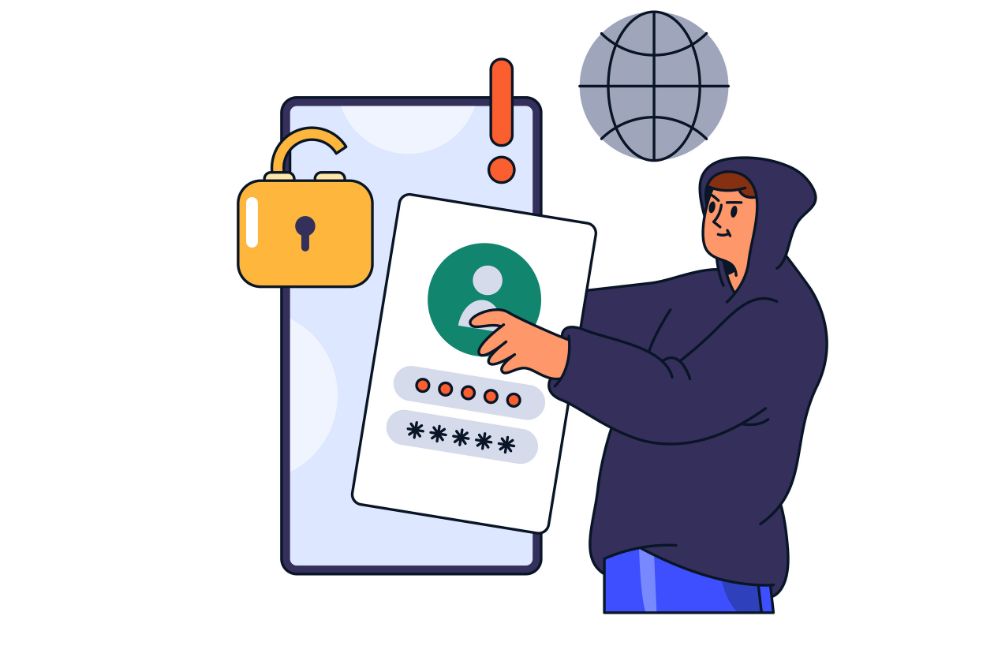 One of the most significant threats today is “formjacking.” This is a sophisticated attack where malicious code is injected into your website (often through a compromised third-party plugin) to “skim” data at the exact moment a customer hits “submit.” The data is stolen before it even reaches your database, making traditional SSL encryption irrelevant at the moment of the theft.
For local firms, this makes the choice of an Indianapolis website design a critical security decision. You need a partner who builds “security by design,” ensuring that every entry point on your site is hardened against these “skimming” scripts.
Move from Prevention to Resilience: The 2026 Tech Stack for Website Security
True website security in 2026 requires moving beyond simple prevention and toward “cyber resilience.” You need a stack that assumes threats are constant and builds layers to neutralize them.
- HSTS (HTTP Strict Transport Security): While SSL encrypts the connection, HSTS enforces it. It tells the browser that it should never, under any circumstances, communicate with your site over an unencrypted connection. This prevents “protocol downgrade” attacks, where hackers try to force a site back to a less secure version to steal data.
- AI-Powered Bot Management: The bots of 2026 are no longer clumsy scripts; they are AI-driven agents that hunt for vulnerabilities with machine precision. Modern defense involves invisible, behavior-based detection. Instead of annoying your customers with a clunky CAPTCHA, these tools analyze user interactions with a page to distinguish real leads from malicious scrapers.
- Encryption at Rest: It’s no longer enough to encrypt data while it’s moving. If a breach occurs and a hacker gains access to your server’s database, your lead data must be “at rest” in an encrypted format. This ensures that even if the “vault” is opened, the contents remain unreadable and useless to the attacker.
Protecting the Submission Journey
 Your website doesn’t live on an island. It likely connects to a CRM like Salesforce or HubSpot, an email marketing tool, and perhaps a dozen other third-party services. Each of these connections is a potential “leak.”
API Security and Shadow APIs
Most modern sites rely on APIs (Application Programming Interfaces) to send lead data from a form to a sales tool. In 2026, “Shadow APIs”—unmanaged or forgotten connections—are a leading cause of data exposure. Securing the submission journey means auditing every single third-party connection to ensure they are patched and utilize modern authentication protocols.
Database Hygiene and MFA
The most secure lead data is the data you don’t keep. We advocate for “Zero Retention” policies where possible: once a lead is successfully transmitted to your secure CRM, it should be purged from the website’s local database. Furthermore, Multi-Factor Authentication (MFA) is mandatory for any administrative account. Most website “hacks” aren’t technical marvels; they are simply the result of an admin using a weak password without a second layer of verification.
The ROI of Visible Website Security
Security is often viewed as a cost center, but in reality, it is a powerful conversion tool. When a customer feels safe, they are more likely to share their information.
Digital Trust as a Conversion Driver
Displaying high-level security credentials—such as verified trust seals or “Secure Form” badges—can significantly increase form completion rates. In an era where data privacy is a top-of-mind concern for consumers, being transparent about how you protect their data is a competitive advantage.
Regulatory Necessity: The ICDPA
As of January 1, 2026, the Indiana Consumer Data Protection Act (ICDPA) has fundamentally changed how businesses in our state must handle personal data. Compliance is no longer optional; it is a legal requirement with strict mandates on data minimization and security. Investing in robust website security isn’t just about protecting your brand; it’s about ensuring your business stays on the right side of Indiana law.
Secure Your Growth with Website Security from NEXTFLY®
Security isn’t a “set it and forget it” task. It is a constant cycle of monitoring, updating, and hardening. This is why partnering with a local Indianapolis website design firm like NEXTFLY is an investment in your company’s future.
Your lead generation should be your greatest source of growth, not your greatest source of risk. Contact NEXTFLY today for a comprehensive website security audit, and let’s make sure your website is truly protected for 2026 and beyond.